
The Power of Mindfulness and Healing
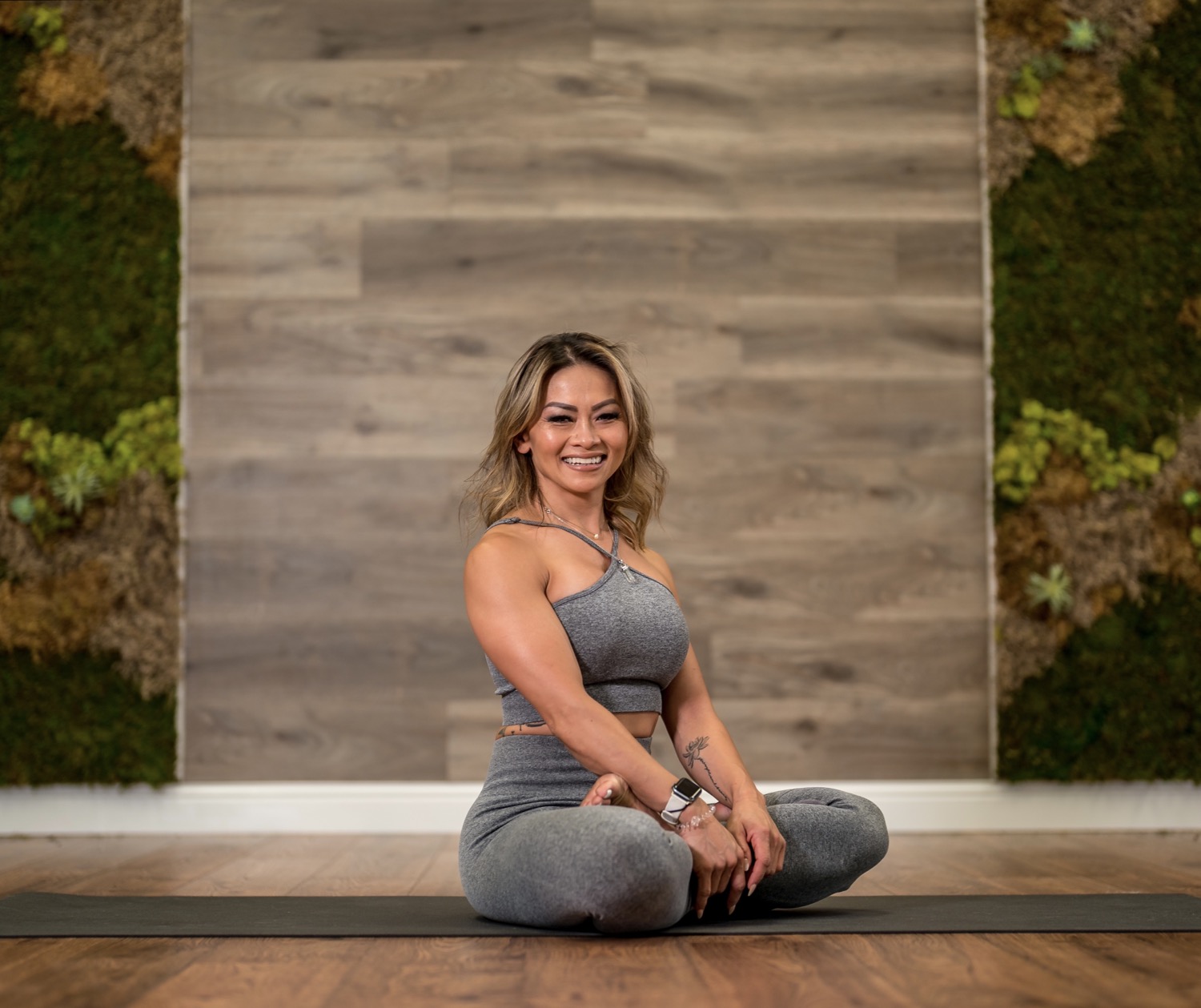
When life feels overwhelming, and your mind races with worries, there is a gentle path you can take to find peace. I have discovered that healing with mindfulness is not just a practice but a way of being. It invites you to slow down, breathe deeply, and reconnect with yourself. This journey is like tending a garden - with patience, care, and presence, you nurture your inner landscape and watch it bloom.
Embracing Healing with Mindfulness
Healing with mindfulness means turning your attention inward with kindness. It is about observing your thoughts and feelings without judgment, like watching clouds drift across a calm sky. When you do this, you create space for healing to happen naturally. You might start by simply noticing your breath or the sensations in your body. This small act of awareness can ground you in the present moment and ease the tension that builds up inside.
Try this simple exercise: Sit comfortably, close your eyes, and take three slow, deep breaths. Feel the air enter your lungs and then leave your body. If your mind wanders, gently bring it back to your breath. Practicing this daily can help you cultivate a calm mind and a resilient spirit.
Healing with mindfulness also encourages you to listen to your body’s signals. When you feel stress or discomfort, pause and ask yourself what you need. Maybe it’s rest, movement, or a moment of stillness. Honoring these needs supports your physical and emotional well-being.

What are the 5 R's of Mindfulness?
The 5 R's of mindfulness offer a helpful framework to deepen your practice. They guide you through the process of becoming more aware and compassionate with yourself:
Recognize - Notice what is happening in your mind and body without trying to change it.
Release - Let go of any tension or resistance you may be holding onto.
Relax - Allow your body and mind to soften and ease.
Re-center - Bring your focus back to the present moment, often through your breath.
Respond - Choose how to act with awareness rather than reacting impulsively.
By practicing these steps, you create a gentle rhythm that supports healing and growth. For example, when you feel anxious, you might recognize the feeling, release the tightness in your chest, relax your shoulders, re-center with a few breaths, and then respond by taking a mindful walk or journaling your thoughts.
This approach helps you break free from old patterns and opens the door to new possibilities. It’s a powerful reminder that you have the ability to care for yourself with tenderness and wisdom.

Practical Ways to Integrate Mindfulness into Your Daily Life
Incorporating mindfulness into your everyday routine doesn’t require hours of meditation or special equipment. It can be as simple as bringing your full attention to ordinary moments. Here are some practical ways to start:
Mindful Eating: Savor each bite, notice the flavors, textures, and smells. Eat slowly and without distractions.
Mindful Walking: Feel your feet touching the ground, notice the rhythm of your steps, and observe the world around you.
Mindful Listening: When talking with someone, give them your full attention without planning your response.
Body Scan: Take a few minutes to mentally scan your body from head to toe, noticing any areas of tension or ease.
Gratitude Practice: Each day, write down three things you are grateful for. This shifts your focus to the positive.
These small acts of mindfulness can transform your experience of daily life. They help you stay connected to the present and reduce stress. Over time, you may notice greater clarity, emotional balance, and a deeper sense of peace.
Remember, mindfulness is not about perfection. It’s about gently returning your attention whenever it wanders. Be patient with yourself and celebrate each moment of awareness.

The Science Behind Mindfulness and Healing
You might wonder why mindfulness is so effective for healing. Research shows that mindfulness practices can positively impact your brain and body. When you engage in mindfulness, your brain’s stress response calms down. This reduces the production of stress hormones like cortisol, which can harm your health if elevated for too long.
Mindfulness also enhances areas of the brain responsible for emotional regulation, attention, and self-awareness. This means you become better equipped to handle difficult emotions and stay focused on what matters.
Physiologically, mindfulness can lower blood pressure, improve sleep quality, and boost your immune system. It supports the body’s natural ability to heal itself. This is why many holistic wellness centers, like Oasis Wellness Collective, emphasize mindfulness as a core part of their healing programs.
By embracing mindfulness, you are not only nurturing your mind but also supporting your body’s journey toward balance and vitality.
Cultivating a Mindful Healing Practice
Starting your own mindful healing practice can be a beautiful gift to yourself. Here are some steps to help you begin:
Create a Quiet Space: Find a comfortable spot where you won’t be disturbed. This can be a corner of your room or a peaceful outdoor area.
Set a Regular Time: Consistency helps build a habit. Even five minutes a day can make a difference.
Use Guided Meditations: If you’re new to mindfulness, guided sessions can provide structure and encouragement.
Be Gentle with Yourself: Some days will be easier than others. Accept whatever arises without judgment.
Explore Different Techniques: Try breathing exercises, body scans, loving-kindness meditation, or mindful movement like yoga or tai chi.
Journal Your Experience: Writing about your practice can deepen your insights and track your progress.
As you cultivate this practice, you may find that healing unfolds in unexpected ways. Old wounds soften, clarity emerges, and a sense of wholeness grows. Trust the process and honor your unique path.
Healing is a journey, not a destination. With mindfulness as your companion, you can navigate life’s challenges with grace and resilience. Remember, you are worthy of care and kindness - especially from yourself. Embrace the power of mindfulness and healing and watch your inner world transform, one breath at a time.


Comments